
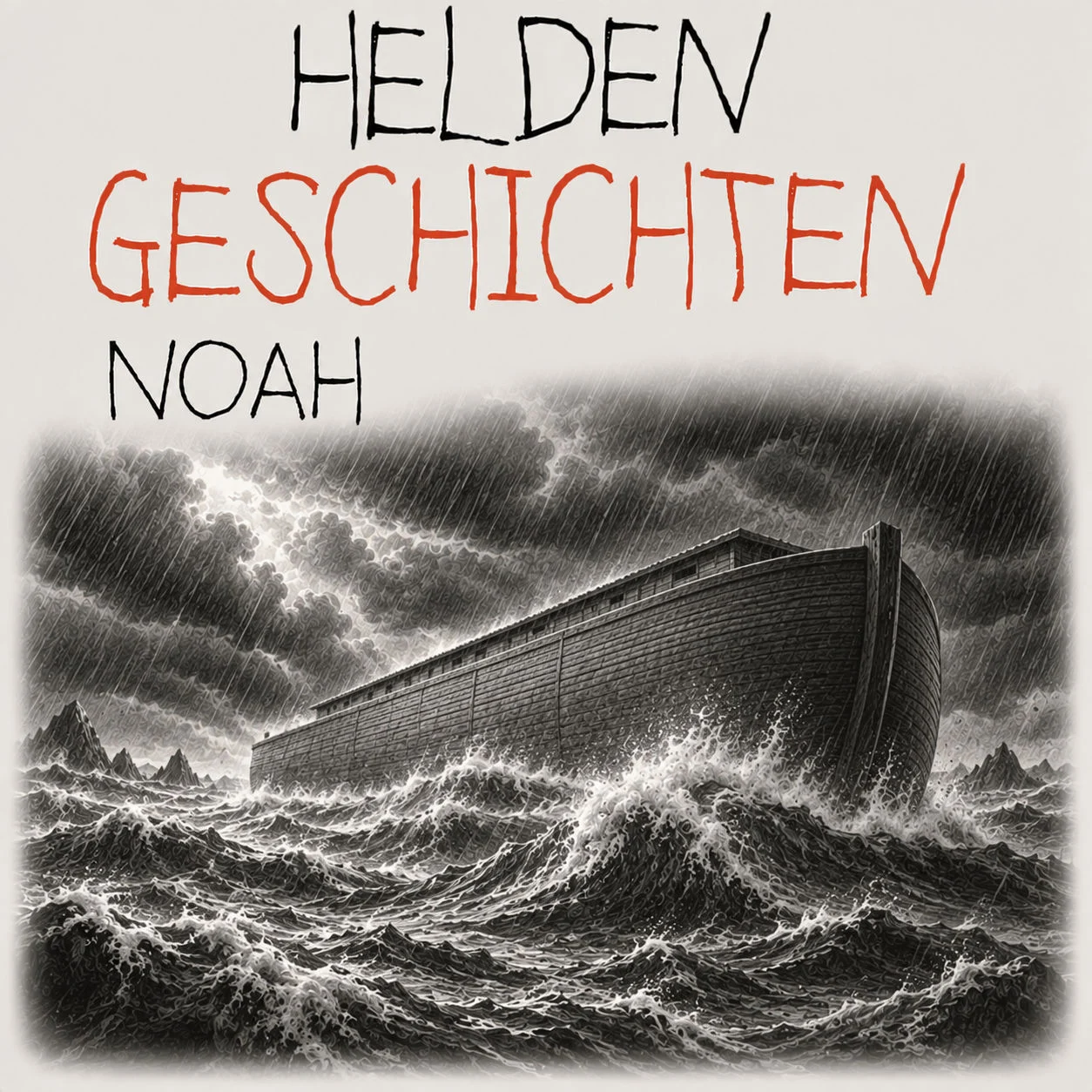
When the Creator Is Not Pleased with His Creation
A couple of months ago, we celebrated my daughter Eliana’s third birthday.
She got two things she especially loved: a strawberry birthday cake made by her mom, and a massive bucket of Play-Doh. The first thing she wanted to do with this Play-Doh was remake her birthday cake. So we made two layers. We made many detailed strawberries and put them all over the cake. We even made three candles.
After a few minutes of hard work, Eliana picked up the cake, looked at it — and smashed it. She rolled it right back into the ball that it came from. She wasn’t happy with it, so she destroyed it.
With that story, with that image in your mind, I would like to ask you a philosophical question:
Was Eliana wrong for destroying the creation that she wasn’t happy with?
No. Of course not. It’s her birthday, for one. It’s her Play-Doh, and it was her idea to make the cake in the first place.
But what if, instead of Eliana being dissatisfied with her creation, it’s God?
And what if, instead of a Play-Doh birthday cake, it’s mankind? Is God wrong for being dissatisfied with creation and judging it?
We’re going to be answering this question, among others, as we look into the story of Noah.
Open your Bible to Genesis 6.
Created for His Glory
God created man and woman in His image—to reflect Him and to live for His glory.
So God created man in His own image (Genesis 1:27)
But by the time we come to Genesis 6, look at what has happened to God’s image-bearers:
Then the Lord saw that the wickedness of man was great in the earth, and that every intent of the thoughts of his heart was only evil continually. (Genesis 6:5)
Verses 11 and 12 tell us that the earth had become corrupt and was filled with violence. And notice how God responds:
And the Lord was sorry that He had made man on the earth, and He was grieved in His heart. (Genesis 6:6)
It grieves God to His heart. This is how God feels when He looks at His creation under wickedness.
God created us to glorify His image. But instead of glorifying it, His image is being twisted and used for selfish and even demonic reasons. His image was being used to glorify self.
So what does a holy and righteous God do when He looks at a world like this? He acts as Judge.
God’s Judgment Is Righteous
So the Lord said, “I will destroy man whom I have created from the face of the earth (Genesis 6:7)
God is dissatisfied with His creation, so He decides to judge and destroy this creation. Which brings us back to our initial question: Is it wrong for God to judge and destroy the creation that He is dissatisfied with—even if that’s us?
The answer is no.
But the comparison with Eliana and her Play-Doh only goes so far. God is not simply destroying something He made because He no longer likes it. His judgment is righteous. It is just. And in the face of the wickedness and violence that fill the earth, judgment is necessary.
And God said to Noah, “The end of all flesh has come before Me, for the earth is filled with violence through them; and behold, I will destroy them with the earth (Genesis 6:13)
The earth is filled with violence. Wickedness has to be judged. Violence has to be stopped. Justice has to be done. I’ll say it again because I know it’s hard to hear: God’s judgment is righteous. It’s just. And it’s necessary.
But if you’re like me, you might say, “Well, hold up. If it isn’t wrong for God to judge and destroy, why does it feel like it is? Why does judgment feel so wrong to me? Why is there something in me that cries out, ‘No. I want to live. I wasn’t made for death. I want life’?”
The Desire for Life
Life itself is a gift from God. And Scripture does not speak about death as though death were something good. It is God who says,
I have no pleasure in the death of the wicked … (Ezekiel 33:11)
It is God who wants all people to be saved. God has put eternity into our hearts. So there is nothing strange about the cry in your heart that says, “No, I don’t want to die. I want to live.” Life is God’s gift, and we desire life.
But that desire does not make God’s judgment unrighteous. That is the tension before us: God is righteous to judge wickedness, and yet God is also the God who gives life and shows mercy.
So God decides not only to judge, but also to show mercy and to save.
Noah Finds Grace
Which brings us to the hero of this passage.
But Noah found grace in the eyes of the Lord. This is the genealogy of Noah. Noah was a just man, perfect in his generations. Noah walked with God. (Genesis 6:8-9)
And the first question in my mind was: How? How, though? Was Noah perfectly obedient? Was he literally perfect?
Well, the answer is no. A couple of chapters later, the Bible is very honest about Noah’s sin. We see him fall into drunkenness.
So maybe Noah wasn’t perfectly obedient, but he was just more obedient than everybody else? Seventy-thirty? Sixty-forty?
That’s not how the Bible explains it. In fact, notice where Genesis starts:
But Noah found grace in the eyes of the Lord. (Genesis 6:8)
Before we talk about Noah’s faithfulness, we have to talk about God’s grace. And then Hebrews 11 helps us understand how Noah responded to that grace. Flip with me to Hebrews 11:7
“By faith Noah, being divinely warned of things not yet seen, moved with godly fear, prepared an ark for the saving of his household, by which he condemned the world and became heir of the righteousness which is according to faith.”
Noah’s Faith
Noah’s faith is what made him different from the rest of the world. Noah lived out by faith the purpose for which he was created. Noah built the ark because he trusted the God who had warned him. Everyone around him continued living as though judgment would never come. Noah had heard God’s word, and he believed it, even when God said, “I’m going to destroy all flesh.”
Hebrews does not tell us everything Noah thought or felt. Maybe he had questions. Noah might have said, “I might not understand it, but I trust You.” We don’t know. But we know what he did. He trusted God enough to obey Him. That’s why Hebrews 11 holds Noah up as an example of faith.
The Object of Noah’s Faith
And here’s what I want us to notice: the power wasn’t in Noah somehow having an impressive amount of faith. The power was in the God Noah trusted. Hebrews 11:1 says:
“Faith is the substance of things hoped for, the evidence of things not seen.”
You see, we all have faith in something. But you can hope for things other than God. You can have faith in things that are not God. When you’re at the end of your strength and desperate for a solution, you can trust human wisdom as though human wisdom can save you.
When things are going well and you feel like you’re sitting on top of the world, you can begin trusting your own ability, your money, your influence, or your success. But none of those things can save you.
Power cannot save you.
Money cannot save you.
Pleasure cannot save you.
And ultimately, none of them can make you righteous before God. Only God can justify sinners. So the question isn’t simply, “Do you have faith?”
The question is: Who are you trusting?
Noah trusted the God who had spoken. And because he trusted God, he acted on God’s word. That is the kind of faith Hebrews 11 is calling us to see: faith that rests in God and therefore produces obedience.
So What?
Now we have to ask a very important question. My former pastor in Virginia used to incorporate this question into every sermon, and I’ve always loved it: So what?
You might say, “Aaron, I hear you. Judgment is coming. Noah believed God. But look, man—I got two kids. I got a job. I got bills to pay. So what does this have to do with my life tomorrow morning?”
That’s the question. What does Noah teach us about how we live right now?
As in the Days of Noah
Turn with me to Matthew 24:37–39:
But as the days of Noah were, so also will the coming of the Son of Man be. For as in the days before the flood, they were eating and drinking, marrying and giving in marriage, until the day that Noah entered the ark, and did not know until the flood came and took them all away, so also will the coming of the Son of Man be.
Jesus says that His return will be like the days of Noah. Sin, wickedness, and violence cover the earth. And notice what Jesus emphasizes: People were eating and drinking. They were marrying and giving in marriage. In other words, life was going on like normal. And then the flood came. Jesus says the majority of humanity lives as though judgment isn’t coming.
We work. We eat. We make plans. We pay bills. We think about next week and next year. And it is possible to live an entire ordinary life without ever becoming ready to meet God.
So what about you?
Have you heard God’s voice? Are you aware of the sin in your life that grieves God’s heart?
Jesus says if you are angry with your brother, you have already committed something bad in your heart. Jesus says if you look with lust, you have already committed adultery in your heart.
The problem isn’t only out there. It’s in here—in the human heart. So when God’s Word exposes your sin, what do you do? Do you harden yourself in unbelief? Or do you come to Him in repentance and faith?
Saved from the Coming Judgment
Noah received God’s warning by faith, and his faith moved him to obey. God told Noah judgment was coming, and God provided a way of salvation.
But Noah’s ark wasn’t the end of the story. The flood judged the world, but it didn’t remove sin from the human heart. Humanity needed a greater salvation. And Jesus tells us another judgment is coming. This time, salvation isn’t found by entering an ark made of gopher wood.
Salvation is found in Christ. So if you hear God’s warning today, don’t harden your heart. Turn from your sin and trust in Jesus Christ.
Jesus Is Our Ark
Jesus is our ark. And all who are found in Him will be saved, because Jesus was willing to die and take on the flood of God’s judgment in our place. So if you are in Christ, you don’t have to live terrified that God’s condemnation is still hanging over you.
“There is therefore now no condemnation to those who are in Christ Jesus…” (Romans 8:1)
Me and you no longer have to live in fear that this judgment will fall on us. And because Jesus didn’t stay dead, but rose from the grave, we now can live in freedom to obey God with a pure heart and a clean conscience—to live out what we were created to do, to glorify Him as people made in His image.
And when Christ returns, when this world is finally judged and renewed, everyone who belongs to Him will be raised with Him to incorruptible life.
So let me ask you: Are you trusting Jesus?
Are you found in Him? If you’re not sure, come talk to me. Come talk to one of the leaders. Not because we can save you. We can’t. But we would love to open God’s Word with you and show you the Savior who can.
Be Faithful with What You Have
And if you are in Jesus, what do you do now?
Be like Noah. Be faithful with what God has given you. Is God calling you to build an ark? Unlikely. But if He is, then do it. Is God calling you to do your homework? Then do it.
Maybe God is calling you to join a small group. Or He’s calling you to share the Gospel, to make a disciple of that one difficult person in your life that you cannot stand. If God is calling you to do these things, then do it.
Be faithful with what you have.
Also important to mention: sometimes faithfulness means getting some rest. I was expecting an amen after that one, man.
But for how long, though? Not just after you leave here today. Be faithful tomorrow too. And the day after that. And the day after that.
But here’s the point: Don’t only be faithful while you’re sitting here today. Be faithful tomorrow. And the day after that. And the day after that. Noah heard the Word of God, trusted the God who spoke it, and acted in faith. That’s the challenge for us.
Will we trust Him when obedience is difficult?
Will we trust Him when everybody around us lives as though His Word isn’t true?
Will we trust Him even when we don’t understand everything He is doing?
Noah trusted the God who had spoken. And brothers and sisters, that God is worthy of our trust. He is worthy of our obedience. He is worthy of our lives.
So trust Him. And because you trust Him, obey Him.
Amen.